Taking Calcium but Still at Risk of Weak Bones? The Overlooked Helper Is Vitamin D
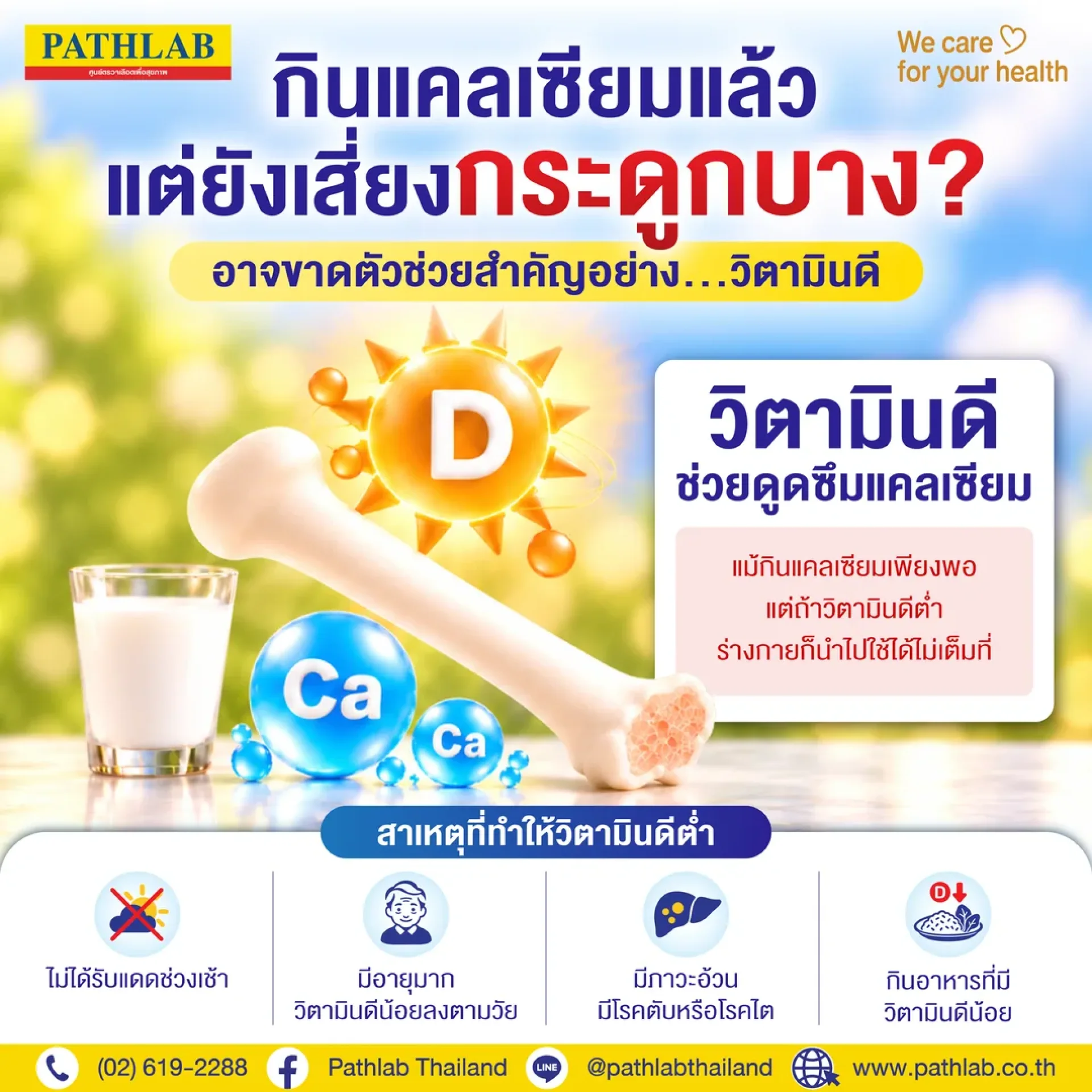
Key Takeaway
Vitamin D helps your body absorb calcium from food. If your vitamin D is low, no matter how much calcium you take, your body cannot fully use it to build bone, which raises your risk of thinning bones and osteoporosis. Alongside a bone density scan, blood tests can check your vitamin D and calcium levels to help assess your risk early.
Why Can Bones Still Get Weak When You Take Calcium?
Many people believe that strong bones simply come from drinking milk or taking enough calcium supplements. In reality, calcium needs a "helper" to get into your bones, and the key helper people often overlook is vitamin D.
Think of it this way: calcium is the bricks, and vitamin D is the worker who carries them onto the building site. Without the worker, the bricks stay piled up outside and the wall never gets built.
How Does Vitamin D Support Your Bones?
- Helps absorb calcium in the gut. When vitamin D is low, the body absorbs much less calcium from food.
- Keeps blood calcium and phosphorus in balance, at levels your bones can use to build and repair themselves.
- Reduces calcium loss from bones. When blood calcium runs short, the body releases parathyroid hormone (PTH) to pull calcium out of the bones. Over time, bones become thinner without any warning signs.
What Causes Low Vitamin D?
Many people assume that living in sunny Thailand means they cannot be short of vitamin D. In fact, low vitamin D is common among Thais. Common causes include:
- Working in an office with little morning sun exposure
- Avoiding the sun or using sunscreen regularly
- Older age, as the skin makes less vitamin D over time
- Obesity, or certain liver or kidney diseases
- A diet low in vitamin D
Who Should Be Especially Careful?
- Postmenopausal women
- Older adults
- People who spend most of their time indoors
- People who have broken a bone from a minor fall or accident
- People with a family history of osteoporosis
- People taking certain long-term medicines, such as steroids (consult your doctor)
Which Blood Tests Are Related to Bone Health?
These blood tests help assess factors that affect your bones:
- Vitamin D (25-OH Vitamin D): shows your vitamin D level and whether you are deficient
- Calcium: the calcium level in your blood
- Phosphorus: a mineral that works with calcium to build bone
- Parathyroid hormone (PTH): the hormone that controls calcium; helps find the cause when calcium or vitamin D results are abnormal
Good to know: A vitamin D level below 20 ng/mL is considered deficient, and 20-29 ng/mL is considered insufficient. A level of 30 ng/mL or higher is considered adequate. Cut-off values may vary slightly between guidelines and laboratories, so your results should be interpreted by a doctor together with your overall health information.
Normal Blood Calcium Does Not Mean Strong Bones
The body keeps blood calcium very stable. When calcium runs short, it takes calcium from the bones to make up the difference, so blood results can look normal while your bones are getting thinner. That is why vitamin D should be checked as well.
Can a Blood Test Measure Bone Density?
A blood test shows whether factors related to bone health are normal, but it cannot measure bone density or bone mass. To find out whether your bones are already thin or osteoporotic, you need a bone mineral density (BMD) test with a DEXA scan, as recommended by your doctor.
How Can You Prevent Osteoporosis?
- Get gentle sunlight. Expose your arms and legs to morning or late-afternoon sun for about 15-30 minutes a day without getting sunburned. (People with skin conditions or a higher risk of skin cancer should consult a doctor.)
- Get enough calcium from food, such as milk, yogurt, tofu, small fish eaten with their bones, green leafy vegetables like Chinese kale, and sesame seeds.
- Choose foods that contain vitamin D, such as salmon, mackerel, egg yolks, UV-exposed mushrooms, and vitamin D-fortified foods.
- Do weight-bearing and resistance exercise, such as brisk walking, aerobic dance, and light weight training, to help keep bones strong.
- Avoid risk factors such as smoking, drinking alcohol, too much tea or coffee, and soft drinks.
- Get checked based on your risk. Test your vitamin D and calcium levels, and talk to your doctor about a bone density scan.
️ Caution: Do not buy and take high-dose vitamin D on your own without checking your vitamin D level first. Too much vitamin D can raise blood calcium and may harm the kidneys. Ask a doctor or pharmacist about the right dose for you.
Frequently Asked Questions (FAQ)
Can low vitamin D really cause osteoporosis?
Yes. Low vitamin D reduces calcium absorption. If it continues for a long time, bones lose calcium and become thinner, increasing the risk of osteoporosis and fractures.
Is taking calcium supplements alone enough?
Not always. If your vitamin D is low, your body cannot make full use of calcium. Calcium and vitamin D should be considered together.
Can a blood test tell if I already have osteoporosis?
No. A blood test can check your vitamin D and calcium levels, but it cannot measure bone mass. You need an additional bone density test with a DEXA scan.
What vitamin D level is considered low?
In general, below 20 ng/mL is considered deficient and 20-29 ng/mL is considered insufficient. Your results should be interpreted by a doctor together with your overall health information.
Can I be low in vitamin D even in sunny Thailand?
Yes. Many people work indoors, get little morning sun, and use sunscreen regularly, so low vitamin D is common even in tropical countries.
References
- NIH Office of Dietary Supplements. Vitamin D: Fact Sheet for Health Professionals.
- Holick MF, et al. Evaluation, Treatment, and Prevention of Vitamin D Deficiency: An Endocrine Society Clinical Practice Guideline. Journal of Clinical Endocrinology & Metabolism, 2011;96(7):1911-1930.
- NIAMS, National Institutes of Health. Osteoporosis: Diagnosis, Treatment, and Steps to Take.
- Osteoporosis and Sarcopenia (June 2023). A review of osteoporosis risk factors in the Thai population, including vitamin D deficiency, and the Thai Osteoporosis Foundation clinical practice guideline 2021.
This article is for general information only and is not a substitute for medical diagnosis or advice. If you have symptoms or concerns, please consult a doctor.